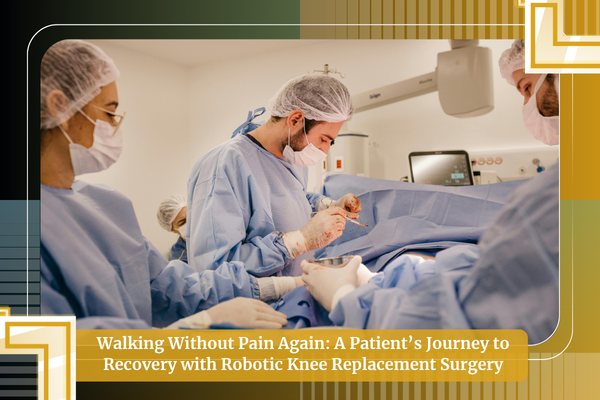
Introduction: When Knee Pain Steals Everyday Joy
At 63, Rina Mukherjee lived a simple yet active life. From taking care of her household to visiting the local market, she valued her independence deeply.
But over time, persistent knee pain began to disrupt her routine. Initially mild, the discomfort gradually intensified into severe pain that affected even the smallest activities. Walking became difficult, climbing stairs was exhausting, and even resting did not bring relief.
What troubled her most was the gradual loss of independence and confidence.
________________________________________
Struggles and Failed Treatments
Like many people seeking effective knee pain treatment, Rina first turned to non-surgical options. She tried:
• Pain medications
• Physiotherapy sessions
• Home remedies and lifestyle changes
Despite her efforts, the pain continued to worsen. Her mobility reduced significantly, and she began depending on others for daily tasks. The emotional strain of this dependence made her feel discouraged and anxious about the future.
________________________________________
Consultation and Diagnosis
Determined to find a lasting solution, she consulted Dr. Anupam Das, an experienced orthopedic and robotic joint replacement surgeon.
After a detailed clinical examination and imaging tests, she was diagnosed with advanced Osteoarthritis. This condition had caused severe damage to her knee joints, leading to chronic pain and stiffness.
Dr. Das explained her condition in a clear and reassuring manner, helping her understand the need for advanced osteoarthritis treatment.
________________________________________
The Decision: Choosing Robotic Knee Replacement
Given the extent of joint damage, Robotic Knee Replacement Surgery was recommended as the most effective solution.
Initially, Rina felt hesitant about undergoing surgery. However, learning about the precision, safety, and faster recovery associated with robotic technology helped ease her concerns.
With growing confidence in her doctor’s expertise, she decided to proceed.
________________________________________
Understanding Robotic Knee Replacement
Robotic knee replacement is a modern advancement in orthopedic doctor-led care, offering improved accuracy and better outcomes.
Key benefits include:
• Precise implant positioning
• Minimal tissue damage
• Faster knee surgery recovery
• Improved joint function and longevity
This advanced orthopedic care technique ensures better alignment and long-term relief from joint pain.
________________________________________
Recovery Journey: Step by Step Progress
Following a successful surgery, Rina’s recovery journey was encouraging:
• Within a few days, she began walking with assistance
• With regular physiotherapy, her strength and flexibility improved
• Within 4–6 weeks, she resumed most of her daily activities
Each milestone restored not only her physical strength but also her confidence.
________________________________________
Final Outcome: A Life Restored
Today, Rina Mukherjee is living a pain-free and independent life. She can walk comfortably, perform her daily tasks without difficulty, and enjoy her routine once again.
Her journey reflects the effectiveness of modern knee replacement surgery and the transformative power of timely medical intervention.
________________________________________
Frequently Asked Questions (FAQ): Robotic Knee Replacement
When is knee replacement surgery necessary?
Knee replacement is recommended when chronic pain from Osteoarthritis does not improve with medications, physiotherapy, or injections and begins to affect daily life.
What makes robotic knee replacement different from traditional surgery?
Robotic-assisted surgery provides greater precision, better implant alignment, and improved long-term results compared to conventional methods.
Is robotic knee replacement safe?
Yes, it is a safe and advanced procedure when performed by an experienced orthopedic surgeon, with minimal risks.
How long does recovery take?
Most patients begin walking within a few days and return to normal activities within 4–6 weeks, depending on individual recovery and rehabilitation.
How long do knee implants last?
Modern knee implants typically last 15–20 years or longer with proper care and lifestyle management.
________________________________________
Conclusion: Take Control of Your Mobility and Life
Chronic knee pain can limit your independence and quality of life. However, with advanced solutions like robotic knee replacement and expert care from specialists such as Dr. Anupam Das, lasting relief is possible.
Rina’s journey is a powerful reminder that timely treatment and the right medical guidance can restore not just movement, but also confidence and happiness.
If knee pain is affecting your daily life, seeking expert advice can be the first step toward a healthier, more active future.