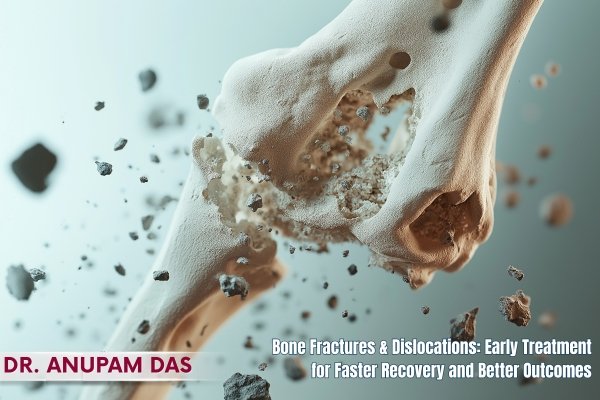
Bone fractures and joint dislocations are among the most common orthopaedic injuries, affecting people of all ages. They can occur due to falls, sports injuries, road traffic accidents, workplace injuries, or underlying bone conditions.
Prompt diagnosis and appropriate treatment are crucial to ensure proper healing, restore movement, and prevent long-term complications. Whether the injury is minor or severe, expert orthopaedic care can significantly improve recovery and help patients return to their normal activities safely.
Under the care of Dr. Anupam Das, patients receive comprehensive evaluation and advanced treatment for a wide range of fractures and dislocations, ensuring the best possible outcomes.
________________________________________
What is the Condition?
Bone Fracture
A bone fracture is a break, crack, or complete disruption in the continuity of a bone. Fractures can vary from small hairline cracks to complex injuries involving multiple bone fragments.
Common types include:
• Simple (closed) fractures
• Open (compound) fractures
• Stress fractures
• Comminuted fractures
• Greenstick fractures
• Compression fractures
Joint Dislocation
A dislocation occurs when the bones that form a joint are forced out of their normal position. This injury commonly affects the:
• Shoulder
• Elbow
• Finger joints
• Knee
• Hip
• Ankle
Dislocations often involve damage to surrounding ligaments, tendons, muscles, and nerves.
________________________________________
When Should You Seek Treatment?
Immediate medical attention is necessary if you experience:
Symptoms of a Bone Fracture
• Sudden severe pain
• Swelling around the injured area
• Bruising or discoloration
• Difficulty moving the affected limb
• Visible deformity
• Inability to bear weight
• Abnormal movement of the bone
Symptoms of a Joint Dislocation
• Severe joint pain
• Visible deformity
• Joint instability
• Swelling and bruising
• Restricted movement
• Numbness or tingling
Delaying treatment can lead to improper healing, chronic pain, joint stiffness, or permanent functional limitations.
________________________________________
Why is Treatment Recommended?
Proper treatment of fractures and dislocations is essential to restore normal anatomy and function.
Benefits of Early Treatment
Correct Bone Alignment
Proper reduction and stabilization allow bones to heal in the correct position.
Faster Recovery
Early intervention helps reduce healing time and promotes quicker return to daily activities.
Pain Relief
Treatment significantly reduces pain and discomfort associated with the injury.
Restoration of Joint Function
For dislocations, prompt reduction helps restore normal joint movement and stability.
Prevention of Complications
Timely treatment minimizes the risk of deformity, chronic pain, arthritis, and loss of mobility.
Improved Long-Term Outcomes
Advanced fracture management techniques help achieve better healing and functional recovery.
________________________________________
Risks and Complications
If fractures and dislocations are not treated appropriately, complications may occur.
Potential complications include:
Fracture-Related Complications
• Delayed bone healing
• Non-union (failure of the bone to heal)
• Malunion (healing in the wrong position)
• Infection in open fractures
• Nerve injury
• Blood vessel damage
• Chronic pain
Dislocation-Related Complications
• Recurrent dislocations
• Ligament instability
• Joint stiffness
• Cartilage damage
• Early arthritis
• Nerve injury
Regular follow-up and rehabilitation are important to ensure successful recovery.
________________________________________
Frequently Asked Questions (FAQ)
What should I do immediately after a suspected fracture?
Avoid moving the injured area, apply ice to reduce swelling, immobilize the limb if possible, and seek immediate medical attention.
Can a fracture heal without surgery?
Many fractures can heal with casting, splinting, or bracing. However, complex or displaced fractures may require surgical fixation.
How are dislocations treated?
Most dislocations require prompt reduction, where the joint is carefully repositioned into its normal alignment. Some cases may require surgery.
How long does fracture healing take?
Healing time varies depending on the bone involved, age, overall health, and severity of the injury. Most fractures heal within 6 to 12 weeks.
Will I need physiotherapy after treatment?
Yes. Physiotherapy often plays an important role in restoring strength, flexibility, and normal joint function after fractures and dislocations.
Can fractures and dislocations cause long-term problems?
Without proper treatment, these injuries can result in chronic pain, stiffness, instability, or arthritis. Early specialist care significantly reduces these risks.
Are older adults at higher risk for fractures?
Yes. Osteoporosis and age-related bone loss increase the risk of fractures, especially in the hip, wrist, and spine.
________________________________________
About Dr. Anupam Das
Dr. Anupam Das
MBBS, MS-Orth (AIIMS, Delhi)
DNB, MNAMS
AADO Fellow, Hong Kong
Orthopaedic Specialist
Dr. Anupam Das is a highly trained orthopaedic surgeon with expertise in trauma care, fracture management, sports injuries, joint preservation, and complex orthopaedic procedures. With advanced training from prestigious institutions and a patient-centered approach, he is dedicated to helping patients achieve optimal recovery and long-term mobility.
________________________________________
Call to Action (CTA)
A fracture or dislocation should never be ignored. Prompt diagnosis and expert treatment can make a significant difference in recovery and long-term function.
If you or a loved one has suffered a bone fracture or joint dislocation, schedule a consultation with Dr. Anupam Das today for comprehensive evaluation, advanced treatment, and personalized care aimed at restoring mobility and improving quality of life.